

The Global Asphyxiation
Why the Modern World is Running Out of Air

"Hunger is the best spice." — Latin Proverb
We are living in a world largely designed in the 20th century—an era that began on horseback and ended with a sedan in every driveway. We moved from sewing buttons on frayed shirts to tapping digital icons on glass screens. We transitioned from subsistence farming to three-course meals ready in under thirty minutes.
In the span of a single lifetime, we traded long treks on foot for transcontinental flights that cost the equivalent of two days wages. We went from manual ledgers to supercomputers, and from rooms filled with machinery to smartphones with enough processing power to launch a moon mission. Every decade brings a dizzying array of new iPhones, car models, and global cuisines. But this explosion of variety wasn’t just about the speed of innovation; it was about the efficiency and pricing that made it all possible.
That world is gone. It’s time you realized it.
The Illusion of the “Wall Socket”
Electricity does not simply “come from the wall,” and food does not magically manifest in supermarket refrigerators. Our reality is the result of the synchronized labor of hundreds of thousands of people: farmers, engineers, physicists, truck drivers, ship captains, insurance executives, and heavy equipment operators. These people are drilling in mines, scouring the oceans, and working in environments where most of us couldn’t last a day.
We take it all for granted—until it’s gone or in short supply.
Consider the owner of a successful sushi restaurant. To keep the doors open, they must coordinate the delivery of rice, fish, vegetables, and kitchenware.
The rice supplier depends on an international importer.
The importer depends on a distribution network.
The distributor depends on a farmer.
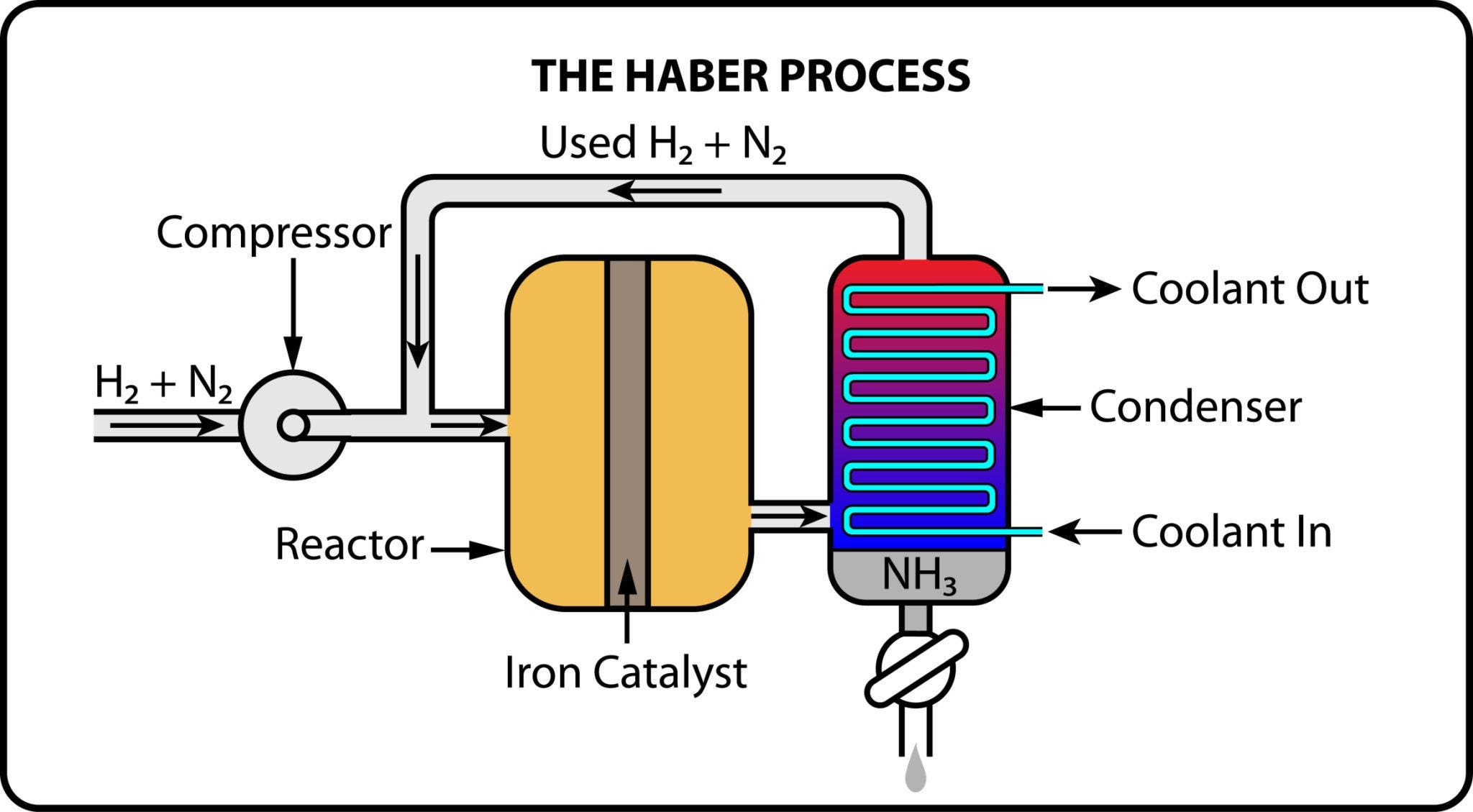
The farmer depends on the weather, labor, and, most critically, fertilizers.

That last component is a byproduct of the energy industry, which depends on the flow of natural gas through pipelines or tankers across the ocean. If a geopolitical event—say, a war—disrupts that flow, the supply chain doesn’t just bend; it breaks. The price of sushi spikes because there is less rice and higher shipping costs. You might skip the sushi and find an alternative, but what about the 3.5 billion people who rely on rice as their primary source of calories? Or the billion people who depend on it for their livelihood?
The Broken Ladder of Production
When oil and gas supplies tighten, fertilizer disappears. When fertilizer disappears, food prices skyrocket, translating directly into social unrest and political revolution.
For decades, humanity’s success in building complex supply chains blinded decision-makers. Since the 1990s, the world has essentially been sitting around a metaphorical campfire, singing songs of peace and global integration. But the campfire has gone out because the fundamental relationship between nations has shifted.
In our hyper-advanced world, a failure at the base of the production pyramid isn’t contained—it compounds as it moves up the chain:
A shortage of sour crude oil translates into a shortage of copper and lead.
A lack of copper and lead halts the production of computers and servers.
Without servers, the “Race for AI” hits a brick wall, even if you have the will to turn the power on.
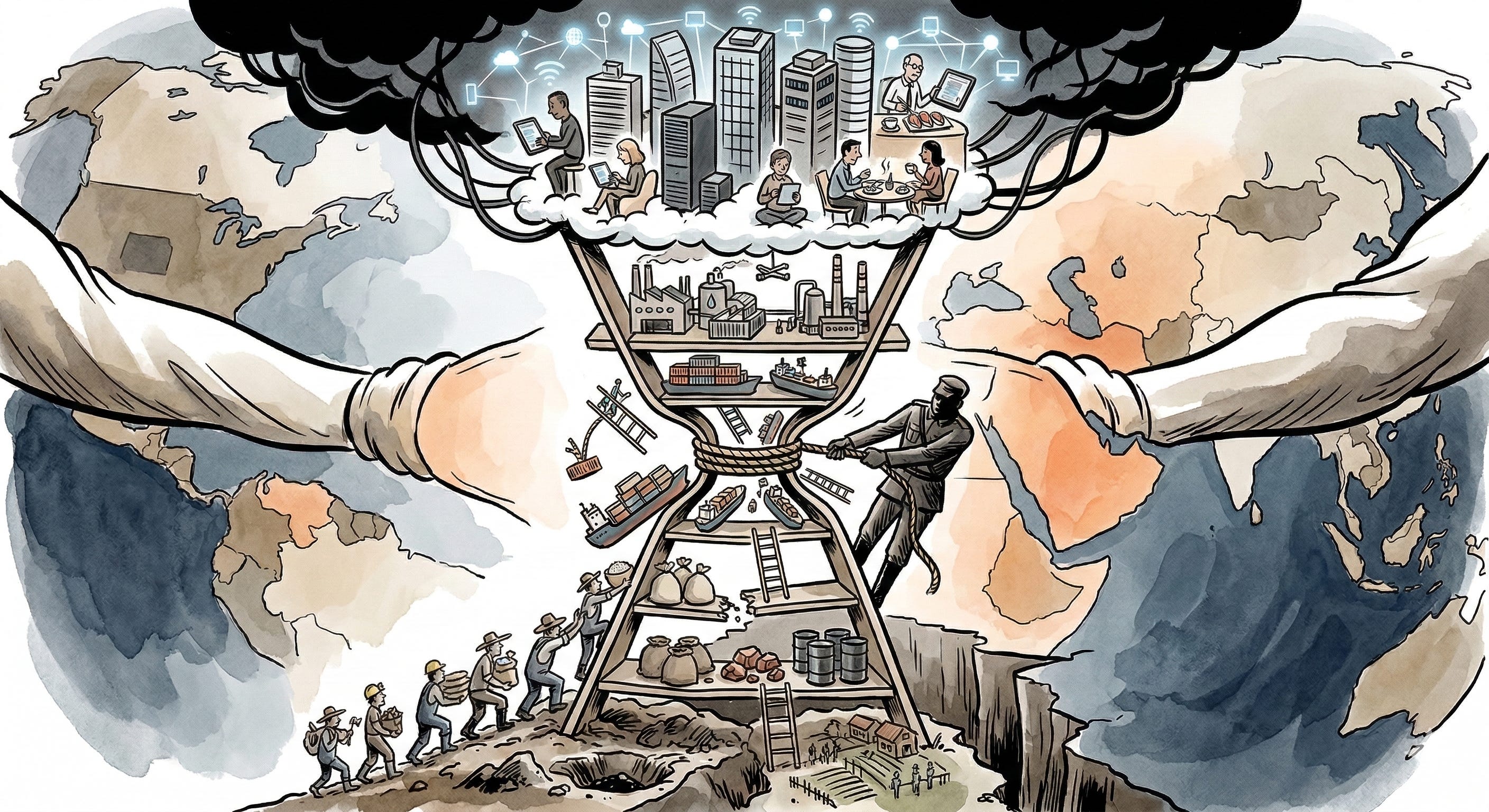
Modernity is a ladder. We want to believe our digital lives have transcended hardware, but “the cloud” is just the top rung of a very physical, very dirty ladder. A digital payment system is the end product of cables, silicon, rare earth metals, cobalt, and titanium.
If the Strait of Hormuz is blocked or a war breaks out in Africa or South America, your ability to tap-to-pay vanishes. The algorithm is a sophisticated ghost that cannot exist without the “black work” at the bottom of the ladder.
A Wake-Up Call for the “Efficiency” Addicts
The current global disorder—the splitting of the world into rival power blocs—is a direct threat to the supply chains that sustain your lifestyle. The bargain-bin prices we’ve enjoyed were a byproduct of a massive surplus of components. But what happens when we face a deficit?
We had a warning shot with COVID-19. Decision-makers ignored it, dismissing it as a “black swan” event. It wasn’t. It was a preview.
In Beijing: Leaders are realizing that their strongest rivals control the very oxygen of the Chinese economy.
In the Red Sea: A small militia like the Houthis has disrupted global trade, yet the lessons regarding energy and food security have yet to be learned.
Instead of preparing the public for what’s coming, leaders are stuck in the stale debates of yesterday. In the West, the elite preferred the optics of Greta Thunberg—the face of a movement that views a growing population as a plague rather than a blessing. They funneled trillions into regulations and inefficient “green” vanity projects while neglecting the foundations of the last century’s success.
Now, Europe finds itself in a perennial energy crisis, forced to spend absolute fortunes just to keep the lights on. Why do the world’s most educated and wealthy individuals stand by while the fire licks at the hem of their robes? They are paralyzed, unable to support the efforts needed to end the conflicts with Iran or Russia.
The Distance Between Order and Anarchy
Our civilization lives or dies by the free flow of goods through a few narrow choke points. When that flow is cut, the distance between “order” and “anarchy” is exactly three meals a day.
If the Strait of Hormuz is obstructed—stopping the flow of roughly 20 million barrels of oil per day—East Asia will experience immediate, agonizing pain.
China has already moved to curb diesel exports.
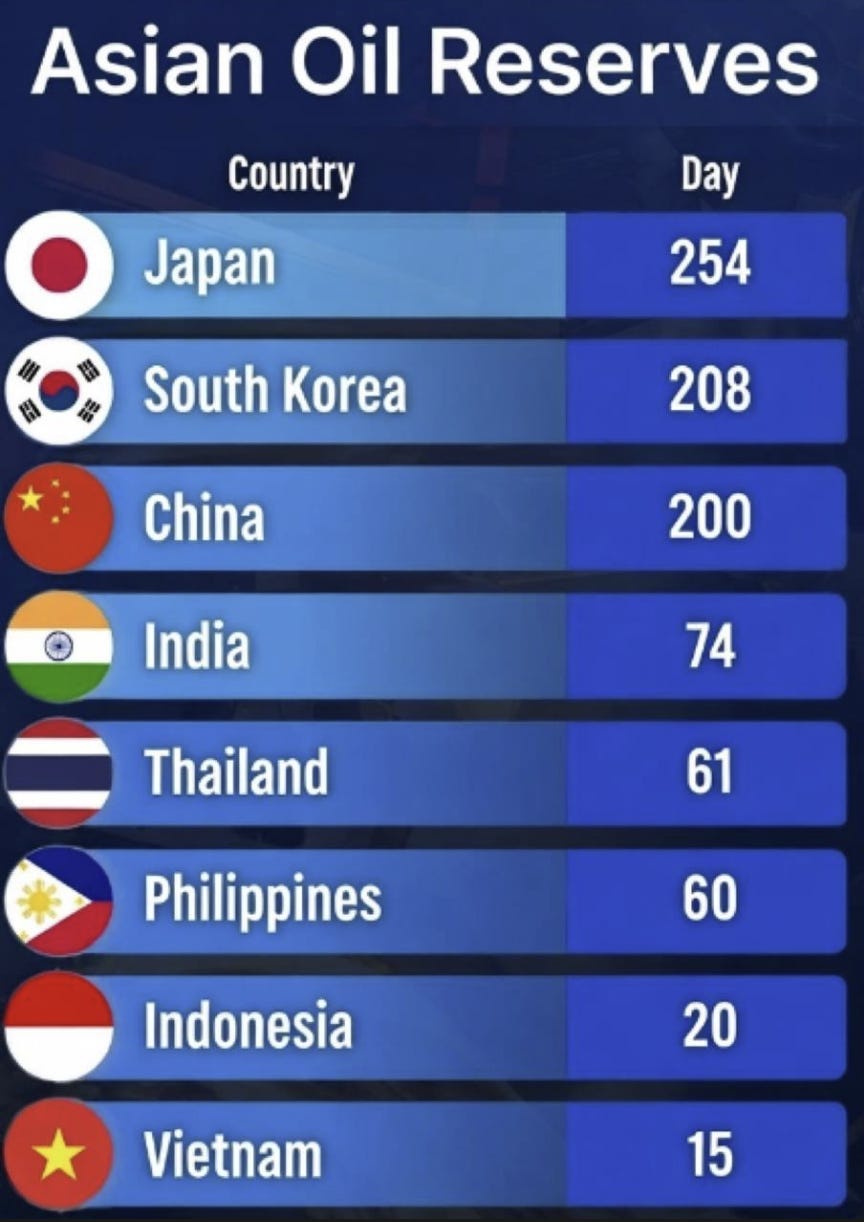
Vietnam reportedly has less than 10 days of oil in reserve.
The Philippines has about 60 days.
Only Japan and South Korea have managed to stockpile slightly more.
The current fracture in global supply chains is a wake-up call for a world addicted to the illusion of effortless, eternal abundance. The shiny top rung of the technological ladder doesn’t float in space; it rests on a physical foundation of raw materials and vulnerable trade routes.
We must stop treating our survival systems as a given. We must pivot from “Efficiency at all costs” to “Resilience and National Security.” If we don’t reinforce the bottom rungs of the ladder, we will find that the modern world is nothing more than a house of cards, waiting for the next gust of wind in a distant strait to bring it all crashing down.
It is time to return to reality—before the lights go out.
Thanks for reading. If this post gave you just the right amount of existential dread, feel free to like it and share it with your friends.
You are assuming that the world’s leaders are rational actors. That is an unwarranted assumption.